

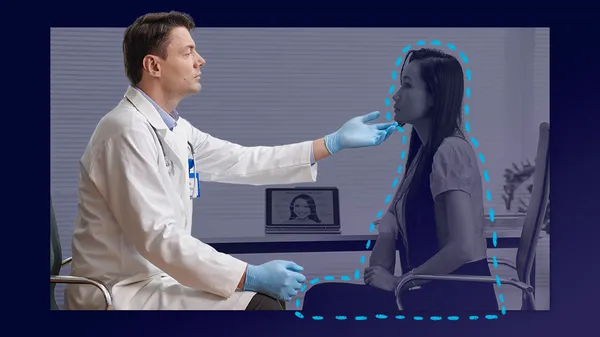
 Elective procedures represent some of the most profitable services healthcare practices offer. Patients pay out-of-pocket, research extensively, and make decisions based on factors beyond insurance networks and location convenience. Yet many practices approach elective procedure marketing with the same strategies they use for routine care, wondering why conversion rates remain disappointing.
Patients seeking cosmetic treatments, aesthetic dentistry, or elective orthopedic procedures have options. They compare practices carefully, evaluating not just outcomes but the entire brand experience.
Most practices making these mistakes don’t realize it. They invest in advertising, create content, and wonder why inquiries don’t convert. The branding foundation undermines everything else.
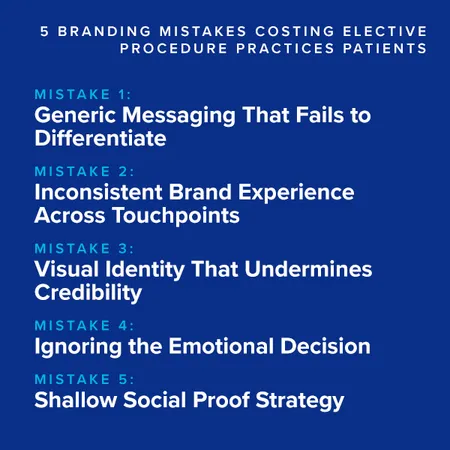
Mistake 1: Generic Messaging That Fails to Differentiate
Generic messaging kills elective procedure conversions. When websites focus too much on throwaway statements like “natural-looking results” or “state-of-the-art technology,” they end up sounding like every other practice in the market and the phrases become meaningless.
Patient surveys consistently reveal a disconnect between what practices emphasize in marketing and what actually influences patient decisions. Clinical techniques and technology rarely top the list. Patients choose practices that help them understand their options and make informed decisions rather than feeling pressured into procedures.
Check out Episode 11 of our Healthcare Marketing Edge podcast to hear how BostonSight found their differentiated edge through patient and clinical staff feedback.
Effective differentiation comes from understanding what actually matters to specific patient populations. A dental practice offering veneers might discover through consultation data that patients worry most about whether results will look fake. Addressing this specific concern through detailed before-and-after galleries and explanations of conservative preparation approaches speaks directly to the decision-making process.
Mistake 2: Inconsistent Brand Experience Across Touchpoints
Marketing materials showcase sleek, professional imagery and polished brand aesthetics. Social media highlights cutting-edge treatments and modern facilities. But when the actual patient communications, follow-up emails, and content quality don’t match that same level of polish, patients notice the inconsistency. This disconnect between what marketing promises and what patients actually experience throughout their journey creates doubt about whether the clinical care will live up to expectations.
Patients choosing elective procedures judge every touchpoint differently than those seeking urgent care. They notice if the first impression isn’t professional and consistent. They evaluate your front desk interactions. They are savvy shoppers who can sniff out a patchwork presentation and are looking to avoid a patchwork patient experience.
Mistake 3: Visual Identity That Undermines Credibility
Outdated logos, inconsistent photography, and amateur graphic design communicate unintended messages. As with most high-ticket services, visual brand quality in elective procedure markets directly influences perceived clinical excellence. Patients assume that practices investing in professional branding also invest in quality equipment and attention to detail.
Consider how different patient demographics interpret visual identity. A playful, colorful logo that appeals to families seeking pediatric dental care might undermine credibility with adult patients researching cosmetic dentistry. Stock photography mixed with candid office snapshots creates visual inconsistency that raises questions about overall attention to detail. Outdated design elements subliminally suggest that a practice may not stay current in other areas, including treatment approaches and technology.
Visual identity is about ensuring that every element of a brand and its marketing communications accurately represents the level of service and expertise the practice provides.
Mistake 4: Ignoring the Emotional Decision
Elective procedures are emotional decisions disguised as rational ones. Patients research success rates and compare pricing. But they choose based on whether they believe a practice understands what they’re trying to achieve.
A patient considering facial injectables is really investing in feeling more confident or addressing something that’s bothered them for years. When marketing focuses exclusively on technique while ignoring these emotional drivers, it misses the actual decision-making process.
Practices that lead conversations with patient goals rather than procedures and pricing create connections that clinical descriptions alone cannot achieve. The shift from service-focused to patient-focused messaging doesn’t require different services. It requires understanding what patients are actually trying to accomplish.
Mistake 5: Shallow Social Proof Strategy
Generic five-star reviews help, but they don’t close elective procedure sales. Patients need specific validation that a practice can deliver the results they want. A testimonial saying “Great experience!” provides minimal persuasive power compared to detailed patient stories.
Effective social proof requires multiple forms of validation. Before-and-after galleries showing results similar to what the patient seeks. Video testimonials where patients explain their concerns and results. Detailed case studies walking through treatment approaches. Provider credentials demonstrating expertise.
Comprehensive social proof strategies include creating spaces where past patients can connect, developing systematic approaches to requesting specific feedback that addresses common concerns, and showcasing results across multiple formats and platforms.
 Start With One Fix
Run an audit of the current brand across these five areas to see what gaps are revealed between its current state and desired perception. Have colleagues unfamiliar with the practice review the website(s) and marketing materials to provide a fresh perspective and honest feedback. What differentiates the practice? Does the physical space match the digital brand? Does the visual identity communicate the right level of service? Does content address emotional concerns? Is social proof specific and compelling?
Choosing one area where the gap is largest will provide a focused starting point. Professional photography might elevate the brand’s presentation online and in advertising. Rewriting website content to address emotional drivers could improve conversion rates. Creating easy, trustworthy patient intake pathways through compliant systems.
Any of these starting points can put a practice on a path to becoming the preferred provider in the market by establishing confidence and trust right from the start.
Elective procedure patients have choices. Clinical skills matter, but branding and messaging still play a big role in influencing a patient’s choice of one practice over equally qualified competitors.